Estimated read time: 3 minutes and 5 seconds
Hey
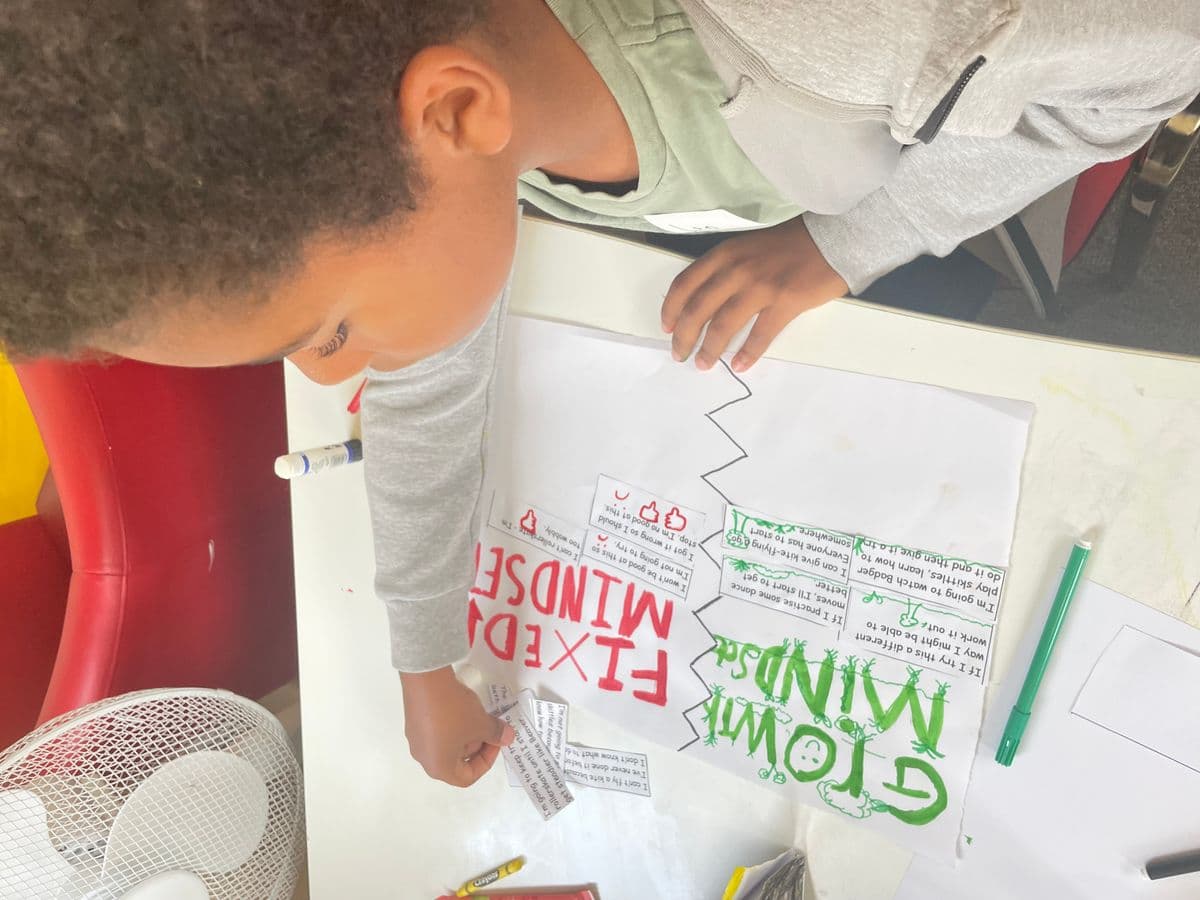
Last week's Growth Mindset workshop was awesome. It was so good to be actually teaching.
But it's been 15 months since I've had my own class, and some bits were a little rusty. Managing a whole group, keeping to timings, making sure everyone is supported and comfortable - there's a lot to think about when you're leading a group.
I didn't do it perfectly, but I did keep track of how long the kids were sitting on the carpet. And this is really important. Sitting and listening is hard. Even adults only have so much concentration and stamina, and we've been building this up for years. Imagine how much harder it is for little kids!
So this week's Noisy addresses the question: how long we can realistically expect kids to sit and concentrate?
This week I'm talking about:
Noisy: They Like to Move it Move it
Book: The Get Movin' Activity Deck for Kids
Club: You Don't Have to Finish Your Homework
During COVID, I checked in on the heroic parents of my students as they muddled through all those lockdown challenges: WFH, cooped-up children, home schooling, etc. A recurring message was frustration that after an hour of sitting, the kids (I was teaching Year 2) were losing it and not listening as their parents desperately tried to keep them on track with their school work.
I had to explain, first, that they were heroes trying to be teachers on top of everything else. And second, that we did not expect the kids to be sitting and working for an hour. That's intense!
In Reception, 5 minutes on the carpet is enough.
In Key Stage 1, 10-15 minutes max.
By the end of KS2, 25 minutes is really the limit.
Teachers are not always perfect at time management; situations arise which mean carpet-time might run over the ideal. But we pay the price and we see when it's tipped over into too long - e.g. the kiddos turn into wriggly worms and your energy turns mostly to trying to get them to pay attention.
At this point, it's time to call time on the carpet and move on to the next thing. Or have a movement break and then come back to the learning later.
They lose their minds otherwise.
We can be mindful of these times when working with our children at home. We don't have to power through if they start to find it hard to concentrate.
Take a movement break, or do something fun and come back to it later if you feel you really want to carry on with the task.
Adults need movement and brain breaks. So do kids.
Does this resonate? Have you noticed your child tends to ‘lose it’ after a certain time?
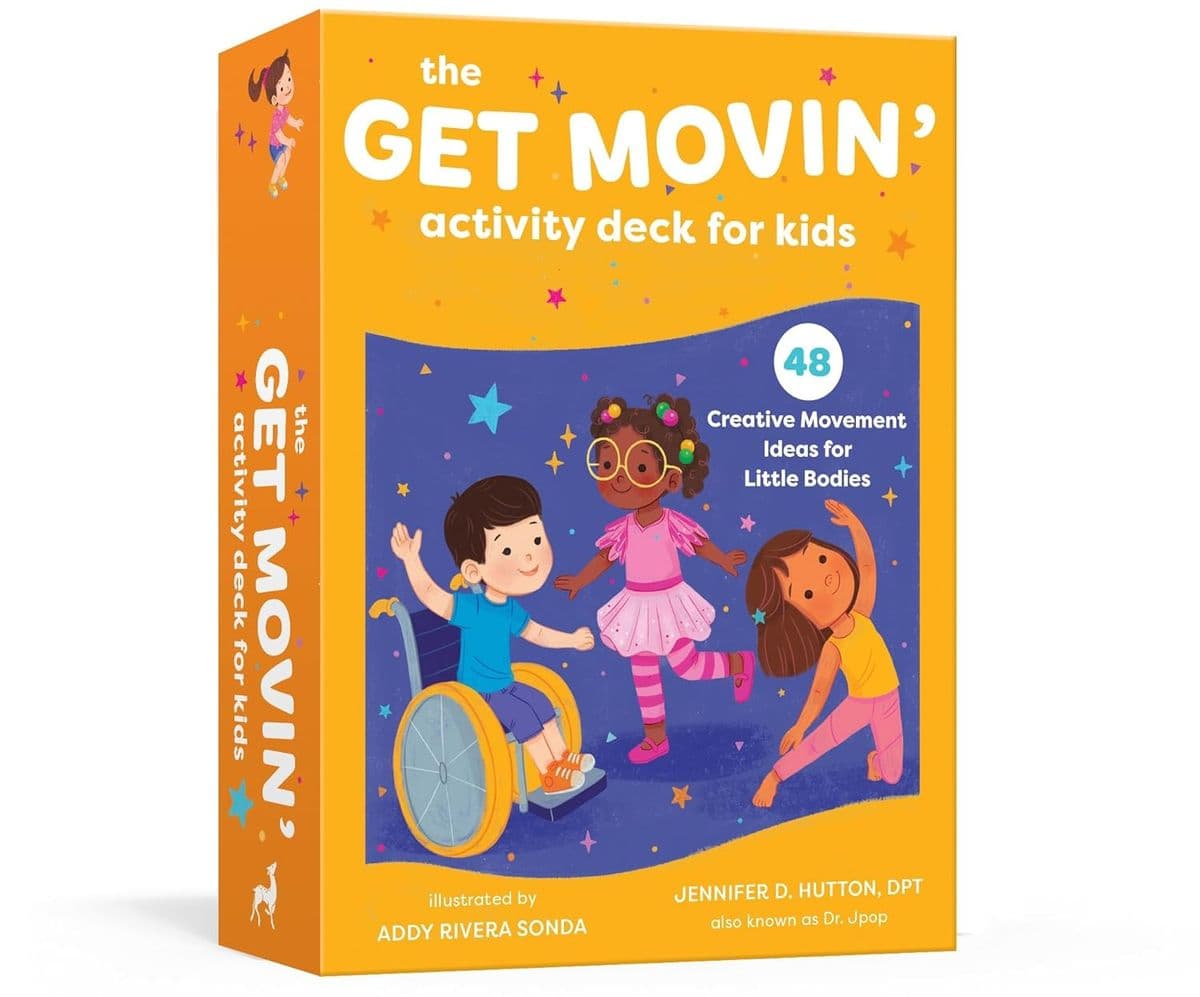
Thinking of a movement break that your child will actually want to do can be hard. Even I, as an experienced teacher, sometimes have a mind-blank. These cards are fun - you can pull one out and surprise your child, or get them to choose one.
Club
If it takes you all week to do the homework, with a lot of tears and stress, there is definitely a better way.
Children have different levels of stamina. If sitting down for five minutes to do homework is a real slog, don't expect your child to do it for an hour. Work on building up their stamina. Set the timer for five minutes and work towards that target. Next time, work towards six minutes. And so on.
Talk it through with your child so they can feel a sense of achievement each time, and understand the progress they are making.
Expectations of children are not all the same in the classroom, so they shouldn't be when it comes to homework.
Talk to the teacher and explain what you're doing. Ask them what the priority is with the homework. Focus on the highest priority and help your child build up their stamina at the pace that's right for them.
See you next week!
Becca
It's getting closer...
I have a simple, affordable resilience programme coming out really soon. Want to tease out a few more details from me? Reply with 'tell me!' and I'll offer some up.